










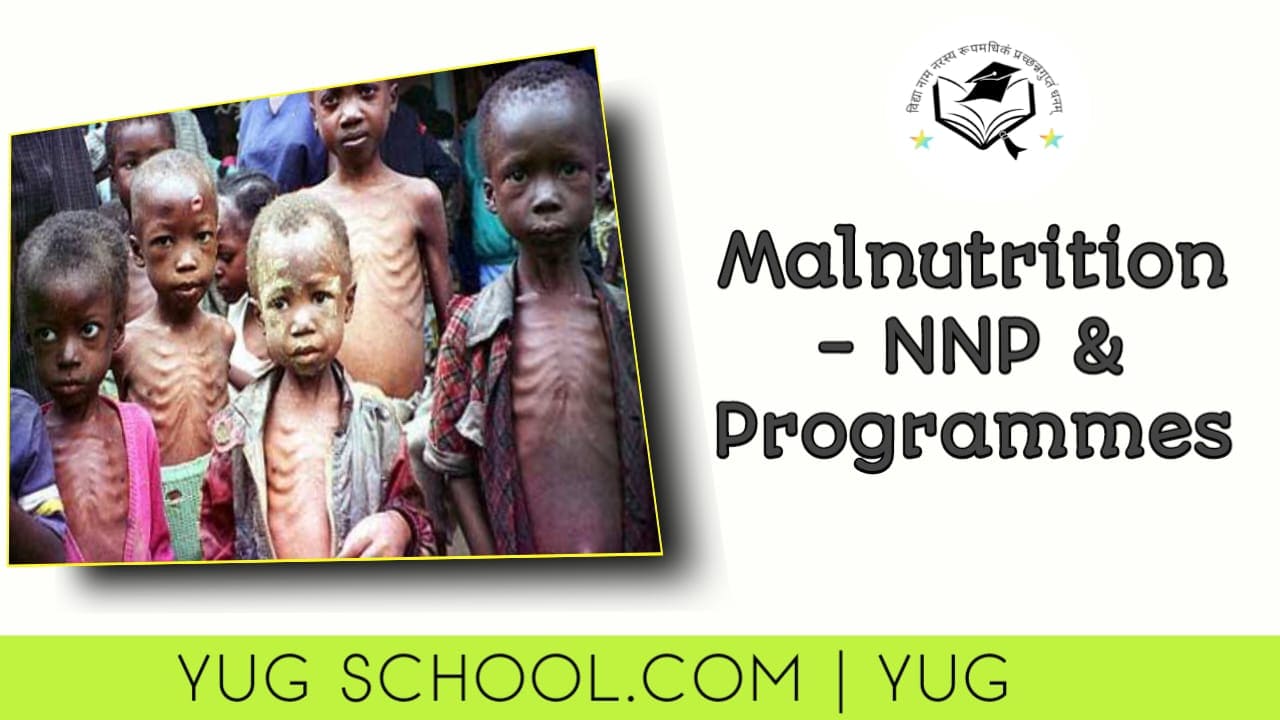
Malnutrition, a condition caused by a lack of essential nutrients, remains a significant global challenge, affecting millions of people, particularly children, pregnant women, and older adults. To effectively combat malnutrition, a multi-pronged approach is crucial, encompassing various measures at individual, community, and national levels. Here’s a breakdown of some key areas of intervention:
1. Food Security and Availability:
Sustainable agriculture: Promoting practices that enhance agricultural productivity and resilience, such as using drought-resistant crops and diversified farming techniques, can ensure a steady supply of nutritious food.
Food storage and distribution: Implementing proper storage and transportation systems can minimize food spoilage and ensure efficient distribution to vulnerable populations.
Social safety nets: Programs like subsidized food provision or cash transfers can improve access to food for those struggling financially.
2. Improved Nutrition Knowledge and Practices:
Education and awareness campaigns: Educating individuals and communities about healthy eating habits, balanced diets, and the importance of exclusive breastfeeding for infants, can empower them to make informed dietary choices.
Nutritional counseling: Providing personalized guidance by qualified nutritionists can help individuals meet their specific nutritional needs and address dietary challenges.
3. Healthcare and Sanitation:
Early diagnosis and treatment of underlying health conditions: Addressing illnesses like diarrhea, respiratory infections, and worm infestations, which can worsen malnutrition, is crucial.
Improved access to clean water and sanitation: Ensuring clean water and proper sanitation facilities can prevent the spread of diseases that contribute to malnutrition.
4. Empowering Women:
Education and economic opportunities: Investing in girls’ education and providing women with income-generating opportunities can improve their decision-making power regarding household food security and nutrition.
Examples of successful initiatives:
India’s POSHAN Abhiyaan: This national program focuses on improving maternal, infant, and young child nutrition through various interventions, including promoting breastfeeding practices, providing supplementary nutrition, and addressing anemia in women.
The World Food Programme’s school meals program: This program provides nutritious meals to millions of school children around the world, contributing to their physical and cognitive development.
By implementing a comprehensive and collaborative approach that addresses the root causes of malnutrition while promoting sustainable solutions, we can create a world where everyone has access to the nutritious food they need to thrive.
Measures to combat Malnutrition – NNP and Programmes
Policies
National Nutrition Policy (NNP): Launched in 2013, the NNP focuses on improving the nutritional status of children, pregnant women, lactating mothers, adolescent girls, and other vulnerable groups. It aims to achieve this through a multi-sectoral approach that includes:
Promoting optimal breastfeeding practices
Improving dietary practices
Preventing and managing micronutrient deficiencies
Addressing diet-related non-communicable diseases
National Food Security Act (NFSA): Enacted in 2013, the NFSA provides legal entitlement to subsidized foodgrains to about two-thirds of the Indian population. This helps to improve food and nutrition security, especially for the most vulnerable sections of society.
Programs
Poshan Abhiyaan (Prime Minister’s Overarching Scheme for Holistic Nourishment): This is a flagship program launched in 2017 to improve nutritional outcomes for children, pregnant women, and lactating mothers. It focuses on:
Reducing stunting, undernutrition, anemia, and low birth weight
Improving the quality of Anganwadi services
Promoting behavior change communication and community mobilization
Integrated Child Development Services (ICDS): This scheme provides a package of services including hot cooked meals, pre-school education, health checkups, and immunization to children aged 0-6 years and pregnant and lactating mothers.
Mid-Day Meal Scheme: This scheme provides free lunches to children in government and government-aided schools across India. It aims to improve the nutritional status of children and boost school attendance and enrollment.
Other initiatives
Fortification of staple foods: The government is fortifying rice with iron and folic acid, and wheat flour with iron and Vitamin B12. This helps to address micronutrient deficiencies.
Promotion of kitchen gardens: The government is encouraging people to grow fruits and vegetables in their homes to improve dietary diversity.
Nutrition education: Awareness campaigns are being conducted to educate people about healthy eating habits.
Challenges
Despite these policies and programs, India still faces a significant challenge of malnutrition. Some of the key challenges include:
Poverty: Poverty is a major underlying cause of malnutrition.
Lack of awareness: Many people lack knowledge about proper nutrition and healthy eating habits.
Inadequate access to nutritious foods: In some areas, people may not have access to a variety of affordable and nutritious foods.
Conclusion
The Government of India is committed to addressing malnutrition through a range of policies and programs. However, achieving sustainable improvements in nutrition requires a multi-pronged approach that addresses the underlying causes of malnutrition and promotes long-term behavioral change.
Role of National Nutrition Policy and Programmes