








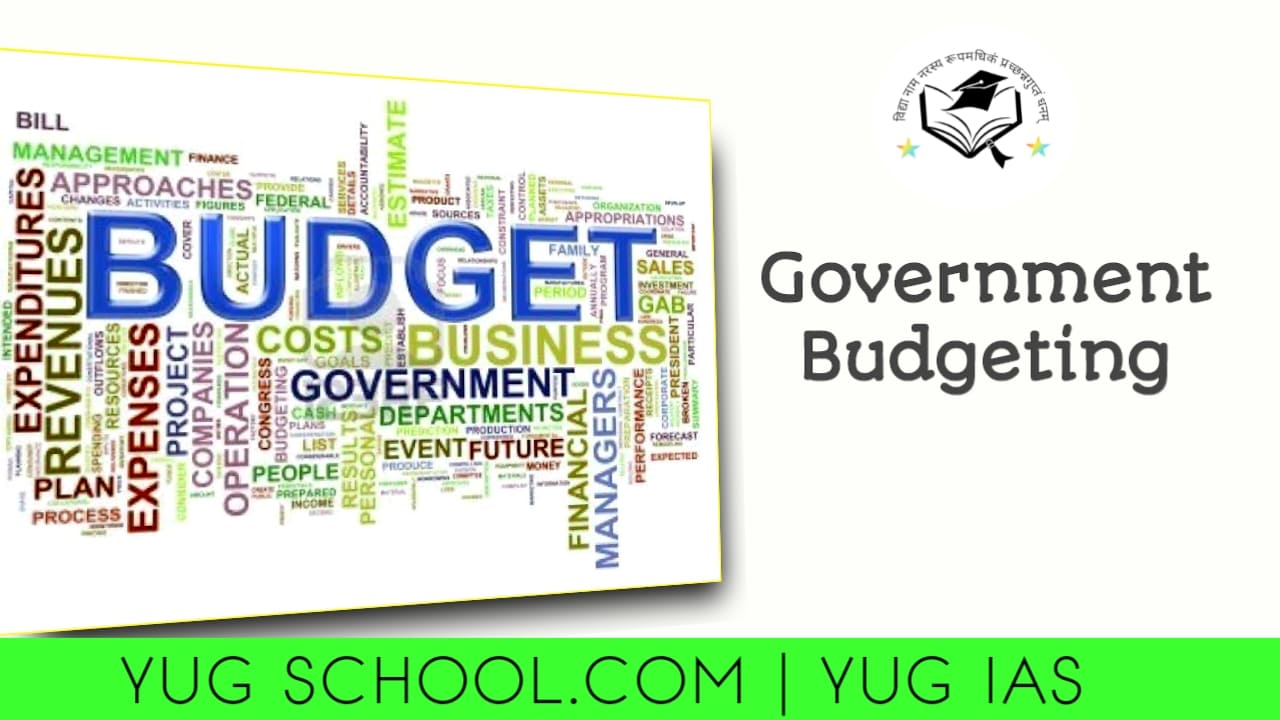
The basics of government budgeting in India, specifically focusing on Odisha:
Understanding Government Budgeting
Purpose: Government budgets outline how public funds will be collected and spent to achieve policy goals and meet the needs of citizens.
Structure: Budgets have two main components:
Revenue: Money the government earns (taxes, fees, investments, etc.)
Expenditure: Money the government spends (salaries, infrastructure, welfare, etc.)
Budgeting in India
Federal System: India has a multi-tiered structure:
Union Government (Central): Responsible for national-level policies (defense, railways, etc.).
State Governments (Odisha): Responsible for regional matters (education, healthcare, etc.). Each state has its own budget.
Local Governments: Have smaller budgets for municipal functions within cities or districts.
Budgetary Cycle:
Preparation: Government departments submit expenditure proposals to the Finance Ministry.
Presentation: Finance Minister presents the budget in Parliament (Lok Sabha).
Approval: Parliament debates and votes on the budget.
Implementation: Approved budget is put into action.
Audit: Comptroller and Auditor General (CAG) audits government spending for accountability.
Budgeting in Odisha
Fiscal Responsibility: Odisha adheres to the Fiscal Responsibility and Budget Management (FRBM) Act, seeking to maintain fiscal discipline.
Key Features:
Focus on social sectors: Education, healthcare, and rural development are priorities.
Capital Expenditure: Emphasis on infrastructure development to boost economic growth.
Debt Management: Maintains a sustainable debt position.
Recent Trends:
Increasing Budget Size: Odisha’s budget has grown significantly, reflecting economic and developmental progress.
Welfare Initiatives: Numerous welfare programs benefit various sectors of society.
Budgetary Challenges
Resource Allocation: Balancing spending needs with limited revenues across various sectors.
Revenue Generation: Increasing revenue sources beyond central transfers.
Inefficiencies: Improving the efficiency of spending for maximum impact.
Transparency and Accountability: Ensuring public funds are used responsibly.
Sources for Information
Odisha State Budget: https://budget.odisha.gov.in/
Union Budget of India: https://www.indiabudget.gov.in/
PRS Legislative Research (for budget analysis): https://prsindia.org/budgets/states/odisha-budget-analysis-2023-24